
From floodwater to a controlled recovery

Flood Damage Cleanup in La Mesa, CA

Flood cleanup for storm intrusion, surface runoff, plumbing releases, and multi-room water events, with contamination-aware decisions.

24/7 emergency calls La Mesa address Homes & businesses
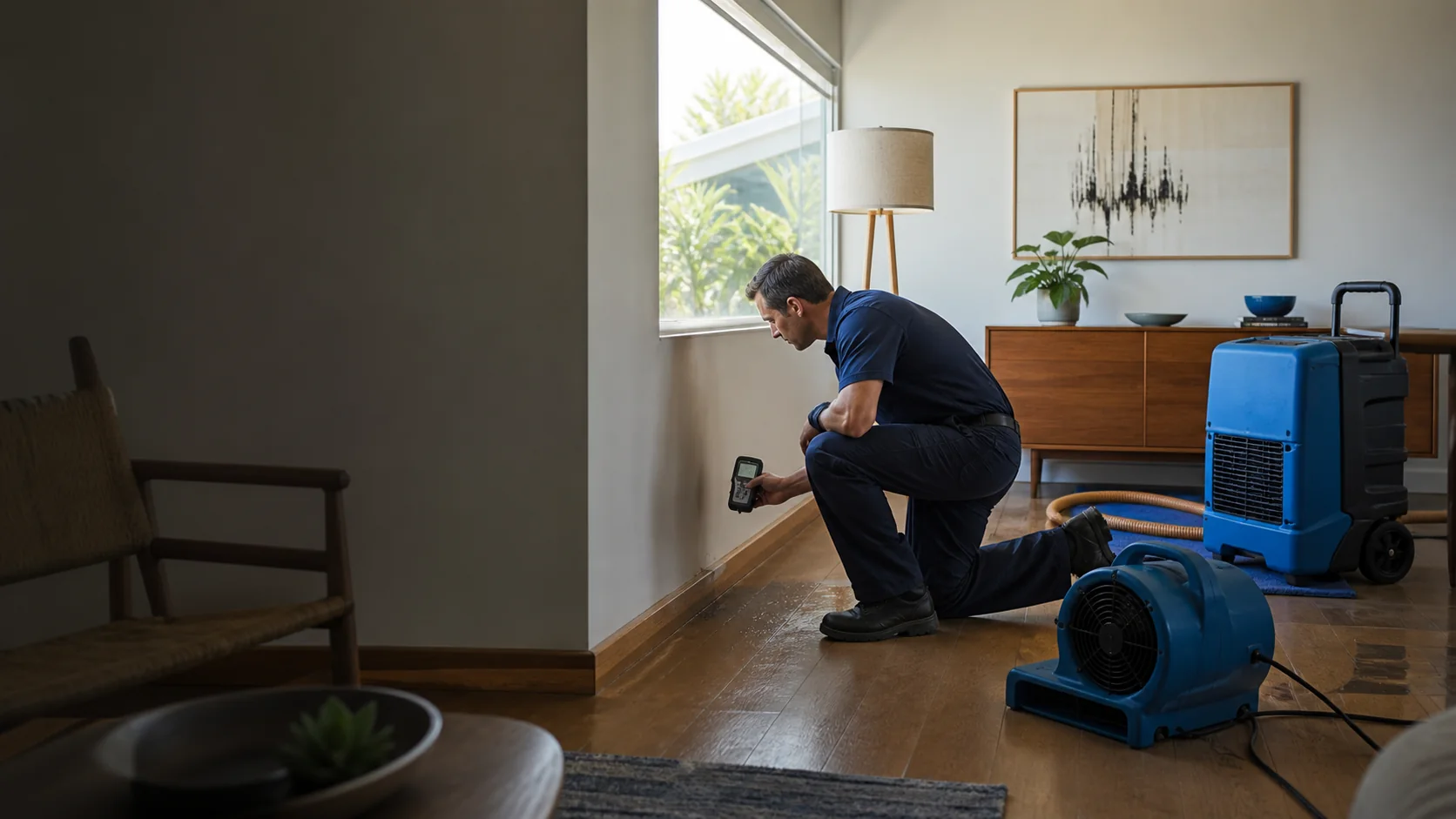
Flood damage cleanup and drying inside a La Mesa property
01

Control the source and screen hazards.

02

Trace water beyond the visible area.

03

Dry, clean, and verify before repair.

When to take action

Signs you may need flood cleanup

One sign can have several causes. A pattern of source evidence and material changes tells a more useful story.

01

Outside water entered

Runoff can carry soil, microorganisms, and other contaminants that change cleaning and removal decisions.

02

Several rooms are wet

Water can cross beneath flooring and through walls even when each room shows a different amount.

03

Garage or lower entry flooded

Stored contents, wall bases, and adjoining living space should be checked for wicking and transfer.

04

Ceiling or roof intrusion

Overhead wetting raises concerns about sagging materials, insulation, electrical fixtures, and safe access.

Specific deliverables

What flood cleanup includes

The exact boundary follows the source and materials. A complete proposal should still account for each of these work streams.

Flood-source and contamination screen

The first assessment distinguishes an interior clean-water release from roof intrusion, runoff, drain overflow, or outside floodwater. Exposure conditions determine personal protection, cleaning, and material handling.

Water, silt, and debris removal

Bulk water and accessible debris are removed in a sequence that protects safe exit paths and unaffected rooms. Porous contents and finishes are evaluated according to what contacted them and for how long.

Building-cavity assessment

Floor edges, wall bases, cabinets, insulation, lower levels, and exterior entry points are checked for migration. Storm-driven water may enter at one location and settle in a different assembly.

Cleaning, drying, and repair plan

The scope separates cleaning and controlled drying from drainage, roofing, plumbing, or finish repair. It also identifies documentation and contents steps needed before the scene changes.

Expert scope insight

Flood cleanup is not one universal procedure. A failed clean-water supply line and street runoff may wet the same floor but create different cleaning and disposal decisions. Describe the source precisely, photograph sediment or water lines before disturbance, and keep exterior drainage or roof findings with the interior dry-out record.

A controlled sequence

How the restoration process moves forward

The source and materials change the tactics. The decision order stays consistent.

Source professionals and restoration professionals solve connected—but different—parts of the loss.

  1. 01

    Identify the source and category

    Separate clean plumbing events from storm runoff, groundwater, drain backups, and mixed sources.

  2. 02

    Stabilize access

    Control electricity, falling-material hazards, slippery routes, and contaminated zones before removal begins.

  3. 03

    Extract and remove debris

    Remove bulk water and materials that obstruct safe cleaning or cannot be retained.

  4. 04

    Clean and dry by zone

    Use containment, cleaning, air management, and dehumidification appropriate to each affected area.

  5. 05

    Plan prevention and repair

    Document the source path and include drainage, roofing, plumbing, or building-envelope corrections in the closeout.

Honest estimate logic

What affects the scope and cost

An exact price without the source and wet perimeter is a guess. These are the factors a responsible scope should address.

Source of floodwater

Storm runoff and sewage usually require more removal and cleaning controls than a recent clean-water release.

Vertical spread

Water affecting multiple floors, ceiling cavities, or stacked units adds access and coordination.

Contents and debris

Storage, furnishings, soil, and damaged materials affect handling and disposal needs.

Building repairs

Roofing, drainage, doors, walls, cabinets, and flooring may each become part of the recovery scope.

Ask for a written scope

Separate emergency work, drying, source repair, contents, and reconstruction so you can see what is included and what could change.

Request an assessment
Verified reasons to call

Why choose Water Damage La Mesa for flood cleanup

These are the service facts this site can support today—without invented awards, review totals, certifications, or response-time guarantees.

24/7 emergency calls

The published line is available day and night, so active water, sewage, ceiling movement, and electrical concerns can be described when they are discovered.

Verified La Mesa address

The business name, address at 8139 Center St, La Mesa, CA 91942, and phone number remain consistent across the page, contact form, and structured data.

Safety-first triage

Guidance starts with people, utilities, contamination, structure, and safe access before cleanup or equipment is discussed.

Clear scope boundaries

Source repair, emergency mitigation, drying, contents, and reconstruction are explained as connected but separate decisions.

Local service coverage

Flood Cleanup across La Mesa and nearby communities

Water Damage La Mesa provides a direct call path from its La Mesa address for homes and businesses throughout East County and nearby San Diego communities. Local pages explain building and water-loss context for Fletcher Hills properties, Mt. Helix hillside homes, and El Cajon water damage restoration. Coverage also includes Lemon Grove, Santee, Spring Valley, La Presa, Rancho San Diego, National City, Chula Vista, and the additional neighborhoods listed in the complete service-area directory.

When you call, share the property location, safe access details, likely source, rooms or levels involved, and whether the water is active. The conversation can then separate immediate safety and source control from the flood cleanup scope the building may need.

Before you choose a scope

Flood Cleanup questions

Use these answers to understand the work and ask better questions during an assessment.

Need help now?+1 (201) 277-9344

Is rainwater inside a home considered clean?

Not automatically. Water can pick up roofing residue, soil, debris, and contaminants as it travels. The path and conditions should be evaluated before salvage decisions are made.

Can I stay in a flooded property?

That depends on electricity, contamination, structural conditions, access, and the affected area. Avoid flooded rooms when those risks have not been cleared.

Should I throw away damaged items immediately?

Photograph items first and avoid handling contaminated belongings without protection. Keep an inventory and ask the insurer how it wants unsalvageable property documented.

How can I reduce repeat storm intrusion?

Review roof drainage, gutters, downspout discharge, grading, door thresholds, drains, retaining-wall drainage, and any path that concentrated water toward the building.

Is rainwater inside a home always treated like clean water?

No. Rain can collect roof debris, soil, exterior contaminants, or drain material before entering. The pathway, elapsed time, visible soil, and affected porous materials must be assessed before deciding how the area should be cleaned or what can remain.

24/7 emergency calls

Call for flood cleanup help in La Mesa

Tell us the source, rooms, and immediate hazards. You will get a clear next step for the property.

Call nowRequest help