Keep people out. Control contamination.

Sewage Backup Cleanup in La Mesa, CA

Contamination-aware sewage removal, cleaning, material decisions, odor control, and drying for homes and businesses.

24/7 emergency calls La Mesa address Homes & businesses
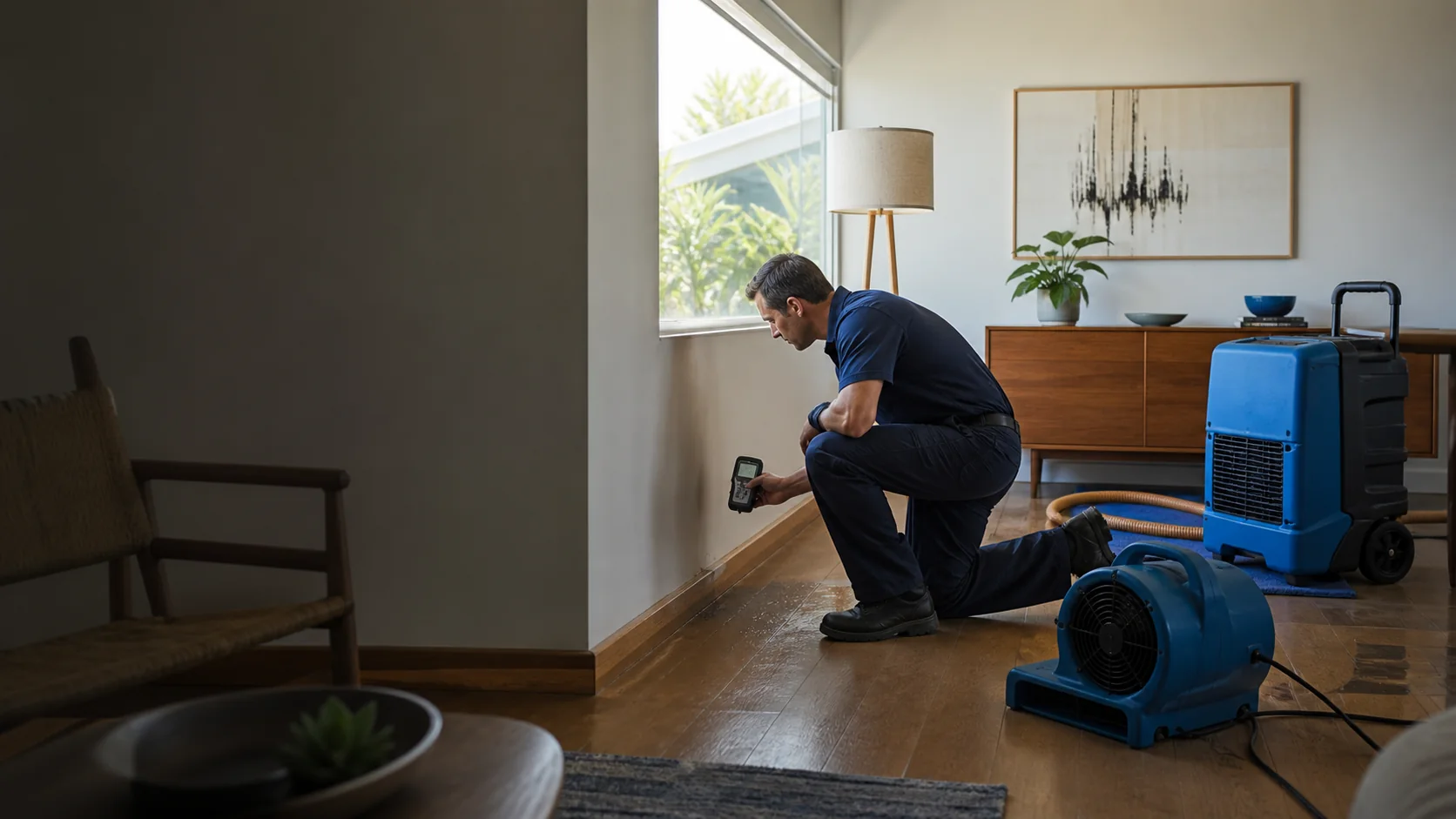
Protected sewage cleanup work in a La Mesa property
01

Control the source and screen hazards.

02

Trace water beyond the visible area.

03

Dry, clean, and verify before repair.

When to take action

Signs you may need sewage cleanup

One sign can have several causes. A pattern of source evidence and material changes tells a more useful story.

01

Toilet or drain overflow

Wastewater from a backup should be treated as contaminated even when the visible solids are limited.

02

Multiple drains react

Gurgling or backup at more than one fixture may indicate a problem beyond a single clogged trap.

03

Contaminated porous finishes

Carpet cushion, drywall, insulation, and some composite materials can be difficult to return to a sanitary condition.

04

Odor remains

Persistent odor can indicate residue, hidden contamination, or an unresolved drain or sewer issue.

Specific deliverables

What sewage cleanup includes

The exact boundary follows the source and materials. A complete proposal should still account for each of these work streams.

Restricted access and source coordination

The affected zone is kept separate while the backup, toilet overflow, waste-line leak, or outside contamination source is addressed. Electrical and slip hazards are considered before anyone enters.

Contaminated material handling

The scope identifies porous contents and finish layers that contacted sewage and cannot be reliably cleaned in place. Removal paths are planned to limit cross-contamination into unaffected rooms.

Detailed cleaning before drying

Gross soil is removed and exposed retained surfaces are cleaned using methods appropriate to the material and condition. Drying does not substitute for cleaning when contamination is present.

Verification and repair handoff

The final plan records the affected boundary, removed materials, cleaning steps, source-trade findings, and drying progress. Rebuilding waits until the assembly is ready to close.

Expert scope insight

A sewer odor without visible water still deserves source investigation, while visible sewage requires a controlled work zone rather than household wiping. Do not use fans that can spread aerosols or move contaminated air through the home. The restoration scope and the plumbing repair record should stay connected, because one addresses the affected building and the other addresses why the release occurred.

A controlled sequence

How the restoration process moves forward

The source and materials change the tactics. The decision order stays consistent.

Source professionals and restoration professionals solve connected—but different—parts of the loss.

  1. 01

    Restrict access

    Keep occupants and pets out and identify routes that prevent contaminated footwear or tools from crossing clean areas.

  2. 02

    Stop the backup

    Coordinate drain or sewer correction before cleanup proceeds beyond immediate stabilization.

  3. 03

    Remove waste and unsalvageable material

    Extract liquids and handle affected porous materials according to their condition and exposure.

  4. 04

    Clean affected surfaces

    Use deliberate soil removal, cleaning, and application of appropriate products rather than masking odor.

  5. 05

    Dry and verify

    After cleaning, dry remaining assemblies, inspect adjacent cavities, and confirm the area is ready for repair.

Honest estimate logic

What affects the scope and cost

An exact price without the source and wet perimeter is a guess. These are the factors a responsible scope should address.

Extent of contamination

The number of rooms, depth, contact time, and migration beneath finishes influence the work.

Material removal

Porous flooring, wallboard, insulation, and contents may require controlled removal and disposal.

Access and containment

Occupied buildings, apartments, tight bathrooms, and shared hallways require more isolation planning.

Source correction

Drain clearing, sewer lateral repair, or fixture work is separate from cleaning and restoration.

Ask for a written scope

Separate emergency work, drying, source repair, contents, and reconstruction so you can see what is included and what could change.

Request an assessment
Verified reasons to call

Why choose Water Damage La Mesa for sewage cleanup

These are the service facts this site can support today—without invented awards, review totals, certifications, or response-time guarantees.

24/7 emergency calls

The published line is available day and night, so active water, sewage, ceiling movement, and electrical concerns can be described when they are discovered.

Verified La Mesa address

The business name, address at 8139 Center St, La Mesa, CA 91942, and phone number remain consistent across the page, contact form, and structured data.

Safety-first triage

Guidance starts with people, utilities, contamination, structure, and safe access before cleanup or equipment is discussed.

Clear scope boundaries

Source repair, emergency mitigation, drying, contents, and reconstruction are explained as connected but separate decisions.

Local service coverage

Sewage Cleanup across La Mesa and nearby communities

Water Damage La Mesa provides a direct call path from its La Mesa address for homes and businesses throughout East County and nearby San Diego communities. Local pages explain building and water-loss context for Fletcher Hills properties, Mt. Helix hillside homes, and El Cajon water damage restoration. Coverage also includes Lemon Grove, Santee, Spring Valley, La Presa, Rancho San Diego, National City, Chula Vista, and the additional neighborhoods listed in the complete service-area directory.

When you call, share the property location, safe access details, likely source, rooms or levels involved, and whether the water is active. The conversation can then separate immediate safety and source control from the sewage cleanup scope the building may need.

Before you choose a scope

Sewage Cleanup questions

Use these answers to understand the work and ask better questions during an assessment.

Need help now?+1 (201) 277-9344

Can I clean a small sewage spill with bleach?

Bleach alone does not remove soil or make every porous material salvageable. Avoid direct contact, protect clean areas, and obtain guidance when wastewater reached flooring, drywall, cabinets, or HVAC pathways.

Should fans be turned on after a sewage backup?

Not before gross contamination is removed and the work area is controlled. Unplanned airflow can move droplets, odors, or contaminated dust into unaffected spaces.

What belongings can be saved?

Nonporous items are often more cleanable than absorbent goods. The material, condition, sentimental value, and degree of contact determine whether specialty cleaning is reasonable.

Who fixes the sewer problem?

A plumber or sewer professional addresses the source. Restoration work handles contaminated materials, cleaning, drying, and the repair scope after the backup is stopped.

Can carpet or drywall be saved after direct sewage contact?

Material, exposure, and cleanability govern the decision, but porous carpet systems, insulation, and gypsum components with direct sewage contact often cannot be reliably cleaned in place. The site assessment should explain every retention or removal decision rather than applying one rule to the whole room.

24/7 emergency calls

Call for sewage cleanup help in La Mesa

Tell us the source, rooms, and immediate hazards. You will get a clear next step for the property.

Call nowRequest help